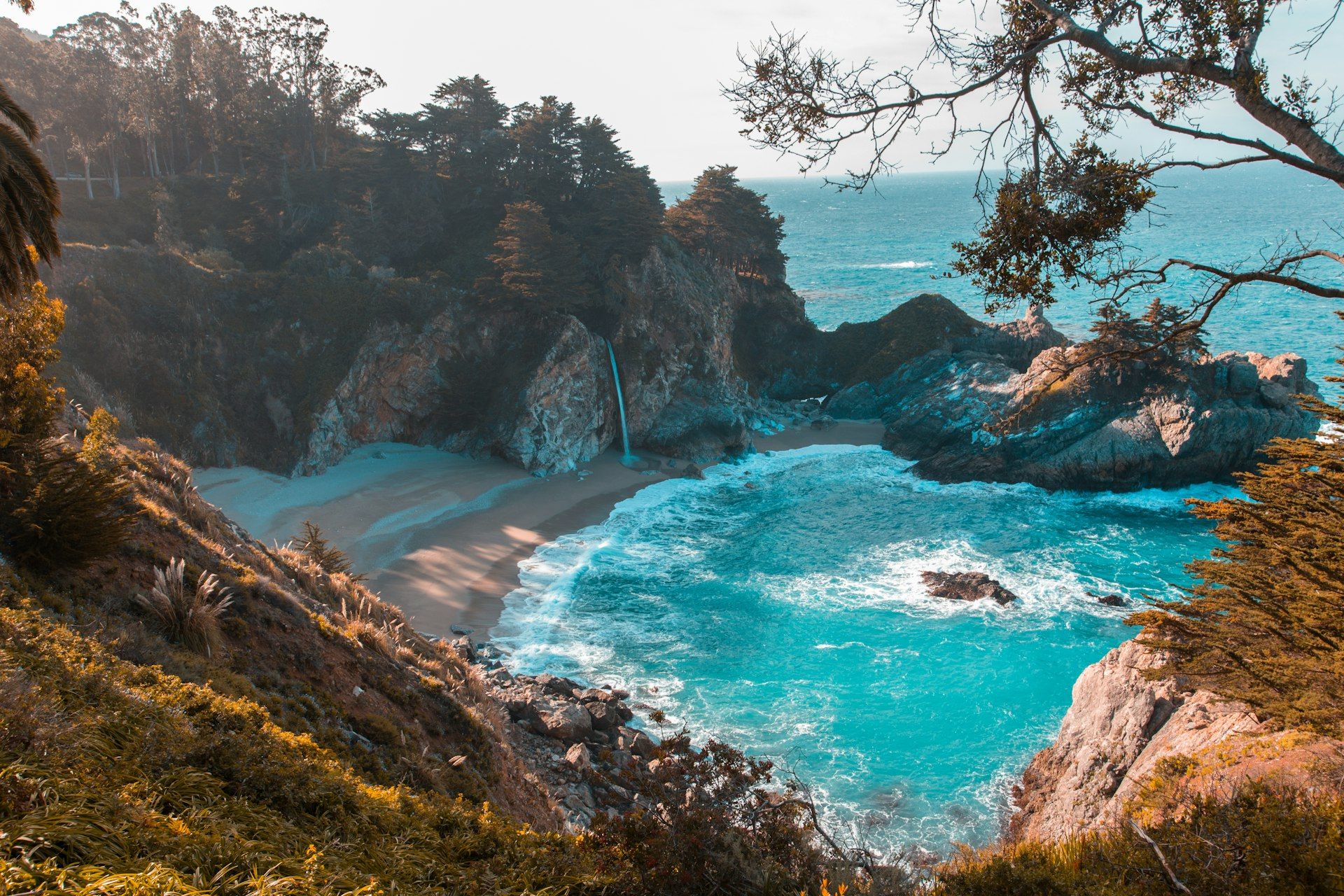
Philippine Tarsier Sanctuary
About Philippine Tarsier Sanctuary
Highlights
- ✓ See Philippine Tarsiers up close
- ✓ Guided forest walk
- ✓ Conservation education
- ✓ Lush forest environment
Trip Essentials




Photo Gallery
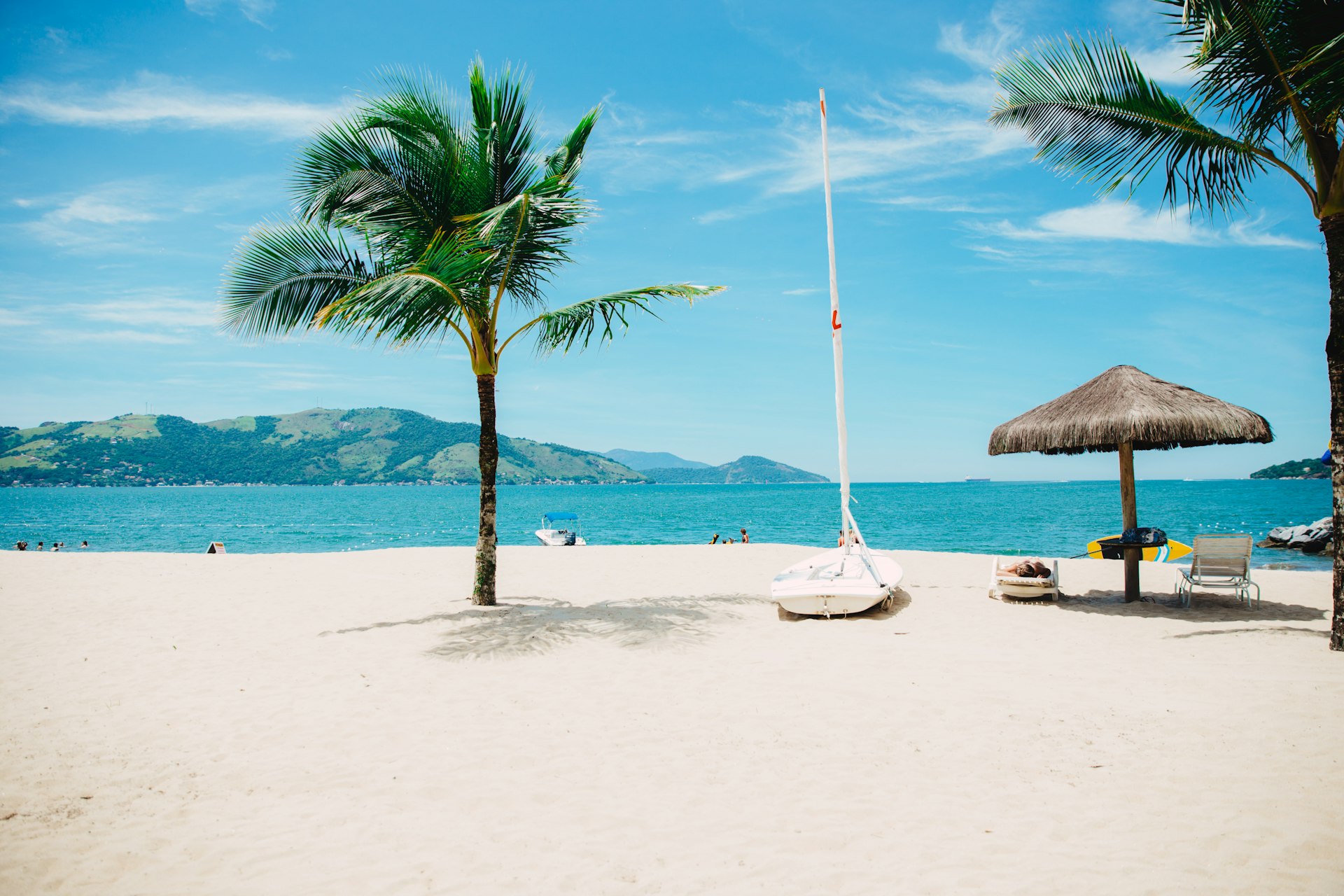
Philippine Tarsier Sanctuary photography - Shot 1
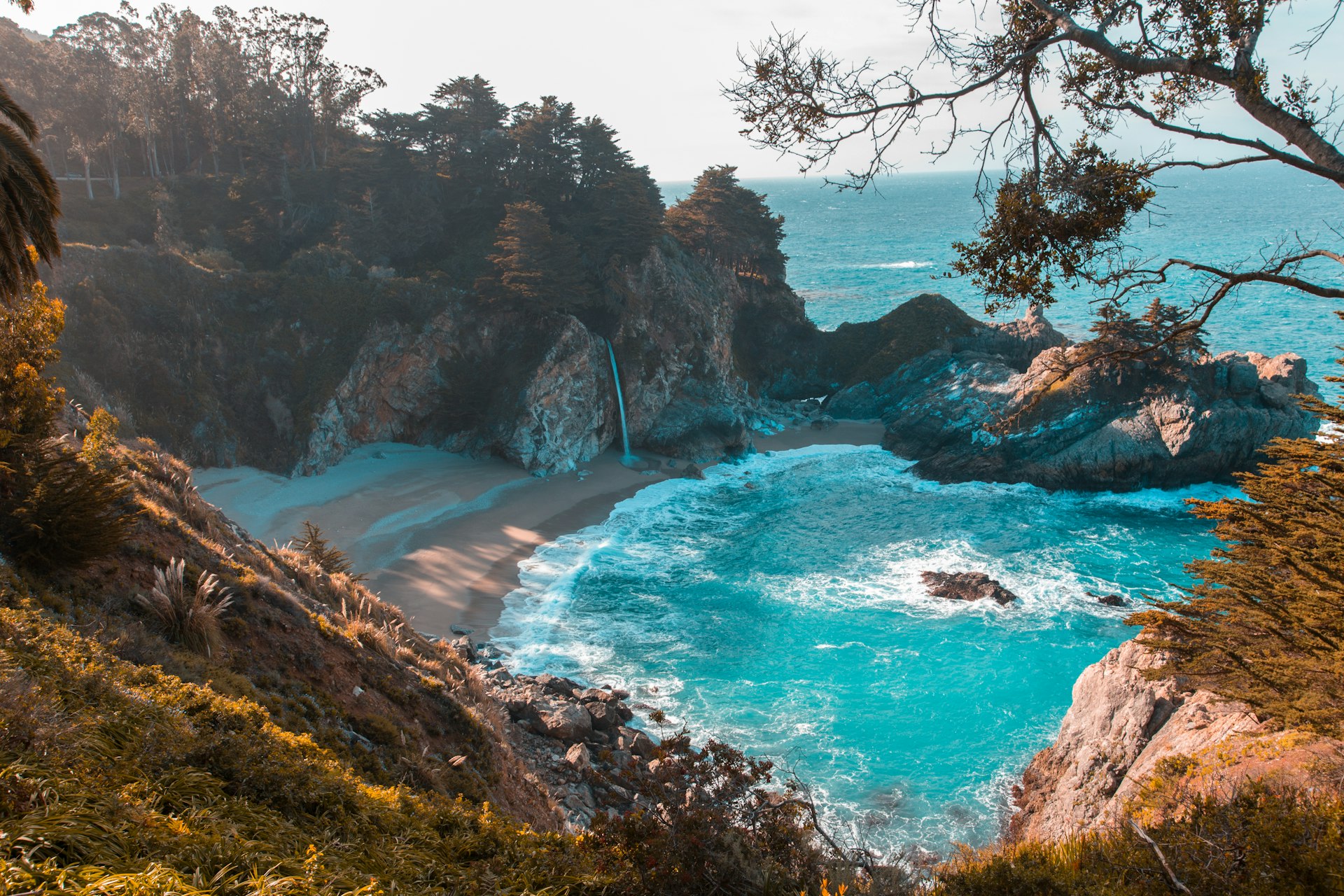
Philippine Tarsier Sanctuary photography - Shot 2
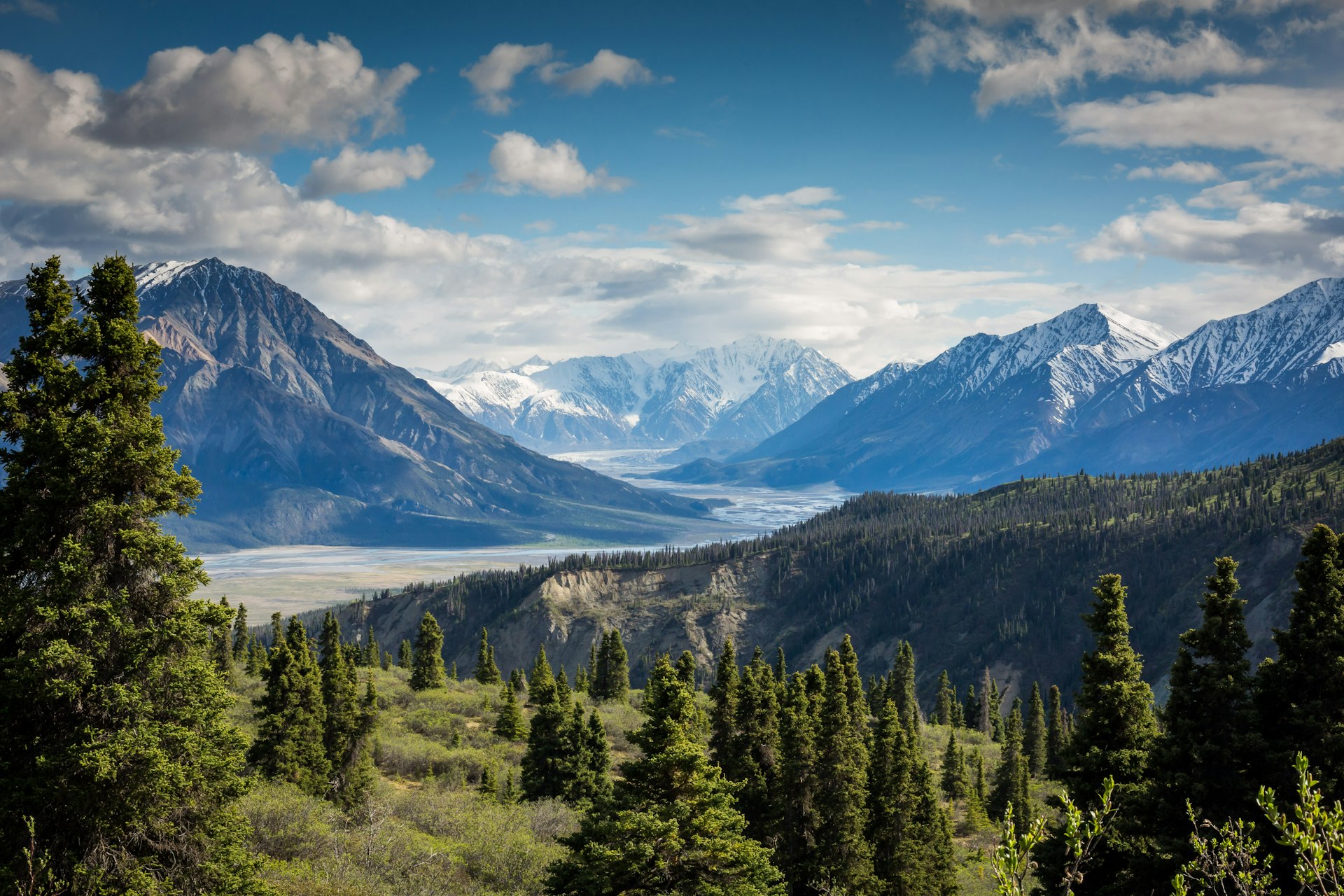
Philippine Tarsier Sanctuary photography - Shot 3

Philippine Tarsier Sanctuary photography - Shot 4
Philippine Tarsier Sanctuary Itinerary
Suggested Travel Plan
Suggested Itinerary
Arrival
Arrive at the Sanctuary
Briefing
Briefing at the reception area
Tarsier Viewing
Guided walk to spot Tarsiers
Departure
Visit souvenir shop and exit
Location
Practical Information
✈️ Getting There
Located in Corella, about 20-30 minutes from Tagbilaran City. You can take a jeepney from the Dao Terminal in Tagbilaran or hire a tricycle/van as part of a countryside tour.
🏨 Where to Stay
Most visitors stay in Tagbilaran or Panglao and visit as a day trip.
💡 Travel Tips
Tarsiers are nocturnal and sleep during the day. Keep noise to a minimum, do not use flash photography, and never attempt to touch them as they are very easily stressed.
Located in Corella, about 20-30 minutes from Tagbilaran City. You can take a jeepney from the Dao Terminal in Tagbilaran or hire a tricycle/van as part of a countryside tour.
Most visitors stay in Tagbilaran or Panglao and visit as a day trip.
Tarsiers are nocturnal and sleep during the day. Keep noise to a minimum, do not use flash photography, and never attempt to touch them as they are very easily stressed.
Travel Tips
Pack for Tropical Weather
Lightweight, breathable clothing is essential. Don't forget swimwear, a quick-dry towel, and a light rain jacket for sudden showers.
Using Tricycles
Tricycles are the most common local transport. Negotiate the fare before getting in, or ask a local for the standard rate to your destination.
Cash is King
While major cities accept cards, many islands and rural areas rely on cash. Always carry small bills (20s, 50s, 100s) for small purchases.
Hydration Safety
Stick to bottled or purified water. Avoid tap water and ice cubes in street stalls unless you are sure they are made from purified water.
Filipino Hospitality
Filipinos are incredibly friendly. A smile goes a long way. "Salamat" means thank you and is always appreciated.
Sun Protection
The sun can be very strong. Bring high SPF reef-safe sunscreen, a hat, and sunglasses to protect yourself during island hopping.
Pack for Tropical Weather
Lightweight, breathable clothing is essential. Don't forget swimwear, a quick-dry towel, and a light rain jacket for sudden showers.
Using Tricycles
Tricycles are the most common local transport. Negotiate the fare before getting in, or ask a local for the standard rate to your destination.
Cash is King
While major cities accept cards, many islands and rural areas rely on cash. Always carry small bills (20s, 50s, 100s) for small purchases.
Hydration Safety
Stick to bottled or purified water. Avoid tap water and ice cubes in street stalls unless you are sure they are made from purified water.
Filipino Hospitality
Filipinos are incredibly friendly. A smile goes a long way. "Salamat" means thank you and is always appreciated.
Sun Protection
The sun can be very strong. Bring high SPF reef-safe sunscreen, a hat, and sunglasses to protect yourself during island hopping.