The Power of Interdisciplinary Learning
Exploring how combining different fields of study can lead to more innovative solutions and a broader worldview.

Dr. Amira Patel
HCI Specialist

Innovation rarely happens in isolation. It thrives at the intersection of diverse ideas and disciplines.
In an increasingly complex world, the most significant challenges we face—from climate change to global health—cannot be solved within the confines of a single academic discipline. This is where interdisciplinary learning comes in, breaking down the traditional "silos" of education to foster innovation and critical thinking.
What is Interdisciplinary Learning?
Interdisciplinary learning is the process of integrating knowledge and methods from different disciplines to understand a central theme, issue, or problem. It's not just about taking classes in different subjects; it's about finding the connections between them.
- Integration: Synthesizing ideas from across fields like biology, ethics, and technology.
- Problem-Solving: Applying diverse perspectives to tackle real-world issues.
- Critical Thinking: Challenging the assumptions of one field using the insights of another.
Why It Matters Today
The modern workplace increasingly demands "T-shaped" professionals: those with deep expertise in one area (the vertical bar of the T) but also a broad ability to collaborate across disciplines (the horizontal bar).
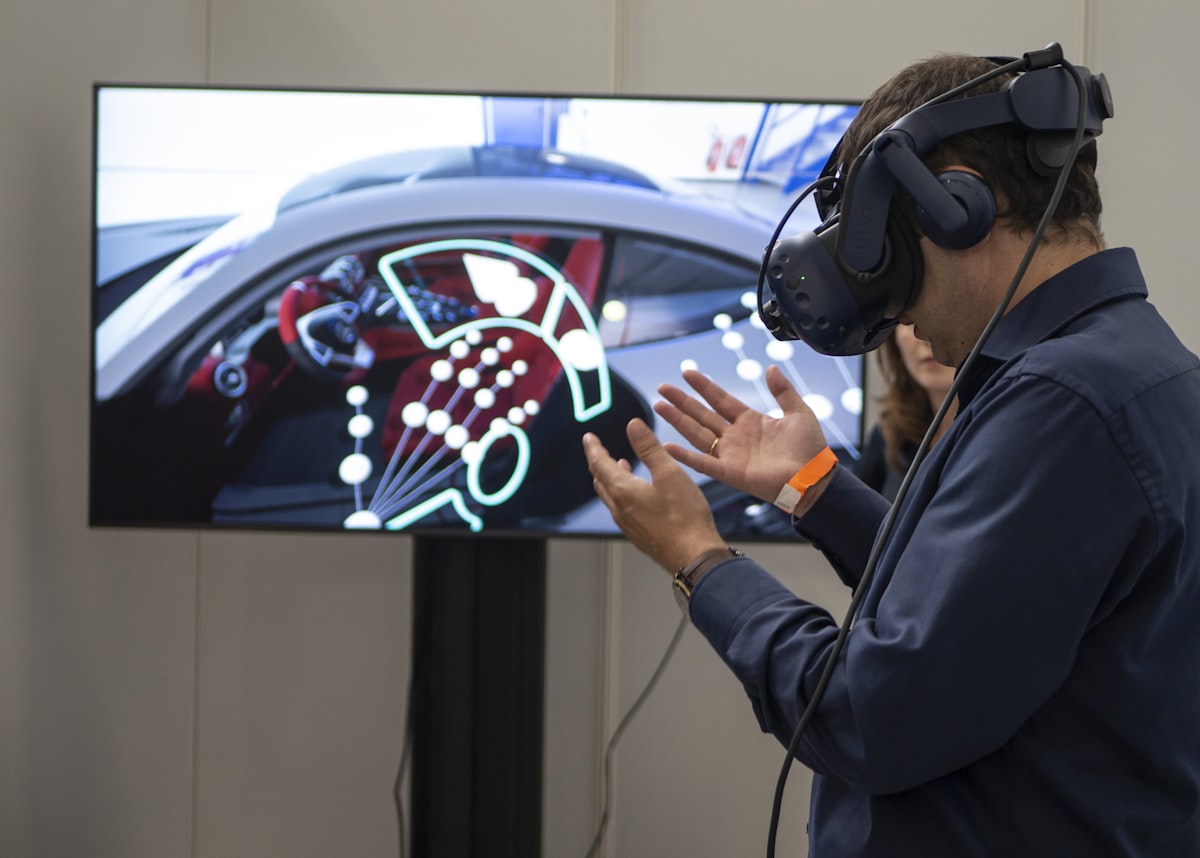
- Fosters Innovation: Most breakthroughs happen at the intersection of fields. For example, the field of Human-Computer Interaction (HCI) combines computer science, psychology, and design.
- Prepares for Complexity: Real-world problems are messy and multifaceted. Interdisciplinary students are better equipped to handle ambiguity.
- Enhances Empathy: Exposure to different viewpoints helps students understand and appreciate diverse perspectives.
Bioinformatics combines biology, computer science, and statistics to analyze complex biological data, leading to breakthroughs in medicine.
How to Embrace Interdisciplinary Learning
If you're a student, you don't have to wait for a formal program to start learning across boundaries.
- Look for Connections: When studying a concept in one class, ask how it might relate to what you're learning in another.
- Take Diverse Electives: Step outside your comfort zone and take a class in a completely different department.
- Collaborate: Work on projects with peers from different majors.
Conclusion
Interdisciplinary learning is more than just an educational trend; it's a necessity for the 21st century. By cultivating a broad and integrated worldview, we can better prepare ourselves to contribute meaningfully to a rapidly changing world.
Dr. Amira Patel
HCI Specialist
Focuses on Human-Computer Interaction and Accessibility. Advocate for inclusive design.
View Full ProfileRelated Posts
AI in the Classroom: Transforming Modern Education
Explore how Artificial Intelligence is reshaping the learning experience, from personalized tutoring to automated grading and beyond.