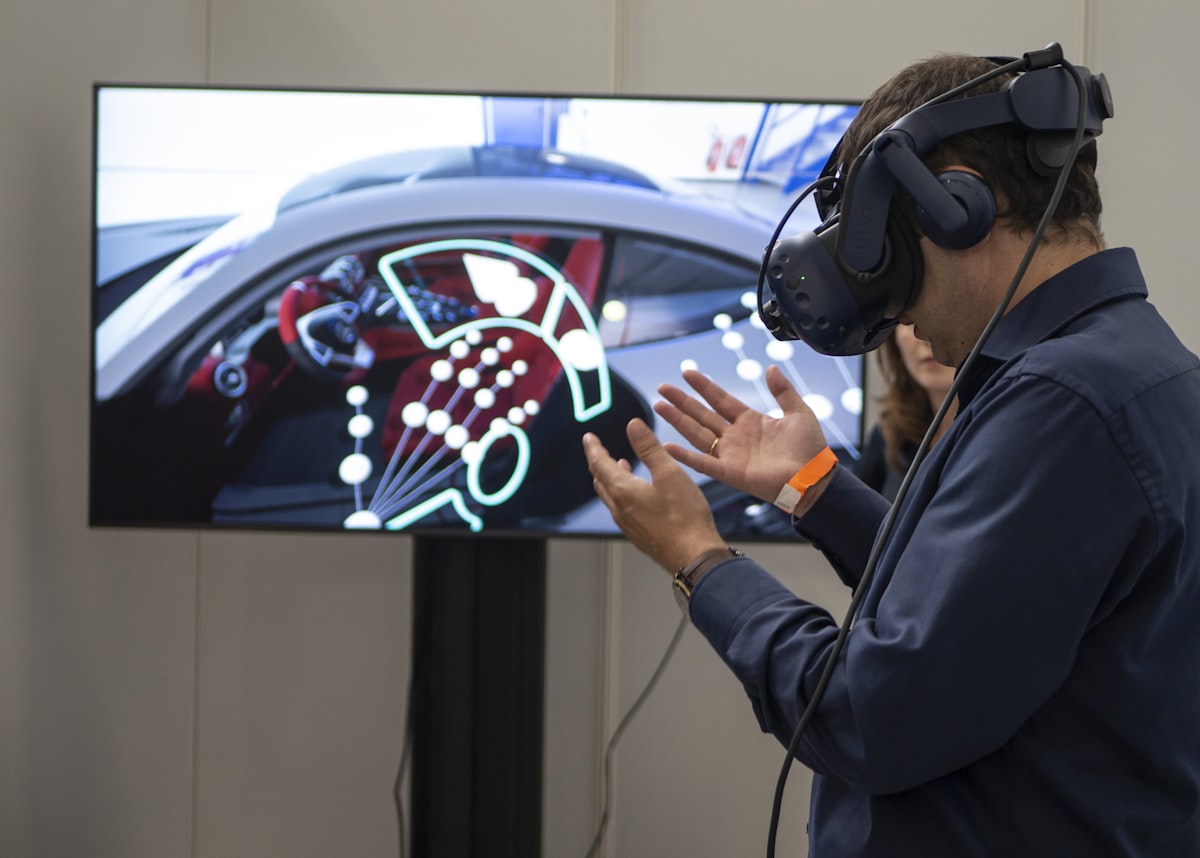
Apps for Social Good: Coding with Purpose
How student developers are using their skills to build applications that address real-world social and environmental challenges.

Dr. Sofia Garcia
Software Engineering Lecturer
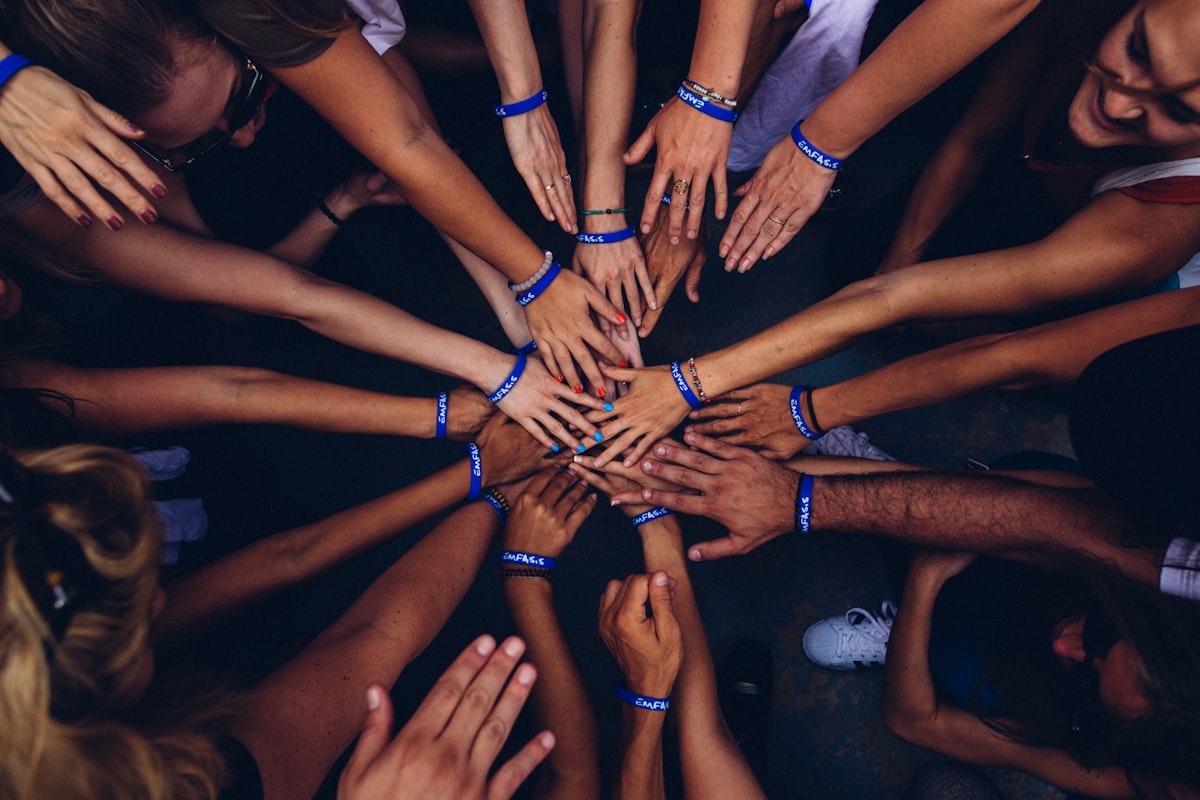
Technology is a powerful amplifier. When directed at social problems, it can scale solutions to reach millions.
In the rapidly evolving world of technology, the power to create is more accessible than ever. However, the most inspiring trend we're seeing in 2026 isn't just about technical complexity or commercial success; it's about purpose. Student developers are increasingly leveraging their skills to build "Apps for Social Good"—software designed specifically to tackle societal and environmental issues.
Technology as a Tool for Change
"Software engineering is often seen as a purely technical field," says Dr. Sofia Garcia, Software Engineering Lecturer. "But at its core, it's about problem-solving. When you point that problem-solving ability toward social challenges, you create something truly transformative."
From local community initiatives to global environmental platforms, the projects coming out of our Computer Science department are proof that code can be a powerful force for equity and sustainability.
Recent Student Highlights
Several student-led projects have made significant impacts this year:
- FoodLink: An app that connects local restaurants with food banks to reduce waste and fight hunger.
- EcoTrack: A community-driven platform for monitoring local air and water quality using low-cost IoT sensors.
- AccessRoute: A navigation tool specifically designed for individuals with mobility challenges, providing real-time data on wheelchair-accessible paths and facilities.
AccessRoute was recently featured in a national tech magazine for its innovative use of crowd-sourced data.
The Educational Impact
Building for social good isn't just beneficial for the community; it's an incredible learning experience for the developers. These projects often require:
- User-Centric Design: Deeply understanding the needs of a specific, often underserved, audience.
- Scalability and Reliability: Ensuring the app works when people need it most.
- Interdisciplinary Collaboration: Working with experts in fields like sociology, environmental science, and public policy.
Getting Involved
We encourage all our students to think about how their skills can be used to make a difference. Whether it's through a senior capstone project or a weekend hackathon, every line of code has the potential to contribute to a better world.
Interested in honing your software engineering skills? Join us in Web Development Fundamentals.
Conclusion
The future of technology isn't just faster processors or more complex algorithms; it's about the positive impact we can create. As we continue to teach the next generation of developers, our goal is to ensure they leave not just as great coders, but as compassionate problem-solvers.
Dr. Sofia Garcia
Software Engineering Lecturer
Software Engineering and Agile Methodologies. passionate about teaching coding to underrepresented groups.
View Full ProfileRelated Posts

AI in the Classroom: Transforming Modern Education
Explore how Artificial Intelligence is reshaping the learning experience, from personalized tutoring to automated grading and beyond.